

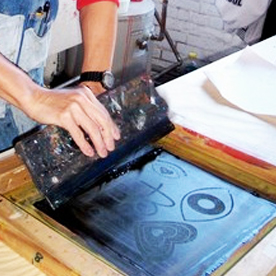
Silk Screen Printing
One of the most popular and straightforward methods of imprinting images into a product is silkscreen printing. It can print solid-color graphics on practically any fabric due to its fabric-friendliness, independent of the fabric’s blend or processing. The majority of intricate designs at Alfil Enterprises are printed on negatives rather than butter paper, which produces sharper, more distinct results. The best aspect of our screen printing approach is that we can print intricate designs anywhere because we don’t utilise current machinery for intricate designs. As a result, the best output is produced with limitless customisation for print positioning and matching the necessary colours for every design.
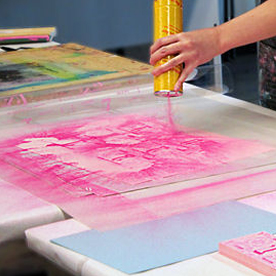
Flock Screen Printing
The main components of flock are synthetic fibres like polyester, rayon, and cotton. Flock is first applied to the selected printed area with an adhesive solvent to help it adhere to the surface. The sensation of flock screen printing is velvety and silky. The initial flock is dyed a specific colour for each colour, and then it is put on the adhesive coating using a screen. The end effect is an embossed design that feels quite luxurious and is feathery light.

Pigment Screen Printing
Discharge screen printing and pigment screen printing are extremely similar, however in pigment screen printing, sometimes referred to as water-based screen printing, the pigment (colour) is based on water rather than a plastic-based liquid, such as Plastisol. It is typically used on clothing in white and light colours. Water-based printing is more supple and works well with vivid colours. Only light-colored fabrics, such as white, off-white, or light grey, etc., can produce the greatest results for water-based screen printing.

Discharge Screen Printing
The same tools are used for discharge screen printing, but the inks are different. For this kind of printing, discharge inks are utilised. When these inks are applied to shirts, the original colour is covered up and replaced with the applied colour. As a result of the colour blending with the fabric, it has the sensation of plain cotton when touched. Discharge ink can be used to create a print on its own or as a foundation for another print. It resembles a water-based printing substitute that can only be used for paler hues.

High Density (3D) Printing
High-density printing can occasionally resemble high-end puff printing, but it is not. Typically, puff printing lacks a distinct edge. High-density printing can help in this situation. Because they are so viscous, the inks used in high-density printing don’t adhere to screens. They simply pass by. They have finer, sharper edges because of this, and when a little puff is added, a 3D effect is also produced. Regular washing of high-density prints is not advised since, due to their stiffness, they fade more quickly than prints made using other printing techniques. It might come in quite helpful if you want to attach them to clothing that isn’t frequently laundered, though.

Crack Screen Printing
Screen printing with cracks is frequently referred to as shatter or distress screen printing. A unique sort of ink is utilised for the crack screen printing technique, and when it dries, it produces the desired broken or shattered image for the customers. Heat is then used to dry the cracked ink after it has been applied on the screens for transferring images onto shirts. When it dries, all the cracks show, giving it a broken appearance. It is used to give t-shirts, sweatshirts, or jackets a vintage appearance. Crack Screen Print helps your apparel company stand out from commonly printed goods and be distinctive.

Puff Screen Printing
Specialised puff inks are employed throughout the puff screen printing process. T-shirts, sweatshirts, and jackets are being given a retro look using this method, which is highly popular. However, occasionally it is incorporated into the image to draw attention to a particular idea or element of a larger design. Specialised puff printing ink is applied on screens for The Puff printing technique. A degree of heat is added to the image after the transfer of sufficient ink in order to obtain the desired puff outcome. Some pictures need only pure puffs, while others need Plastisol as an addition to give them lustre and a better appearance. Even if puff screen printing is raised, it is actually mostly air.
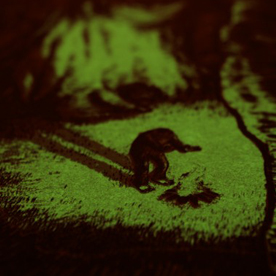
Glow In The Dark Printing
The printing procedure is the same for printing that glows in the dark. The usage of a unique Glow in the Dark ink is the only distinction. In order to print in the dark, specialised neon inks are employed. Typically, images are highlighted using this ink. On materials with darker textures, this type of glow-in-the-dark printing picture produces superior results. These methods are utilised to create wacky and fascinating visuals that make a fashion statement. Only in the dead of night or in a room with no light does the glow of the garment stand out. If you want to develop a line of apparel with a particular concept, you may also utilise it to make Halloween costumes.
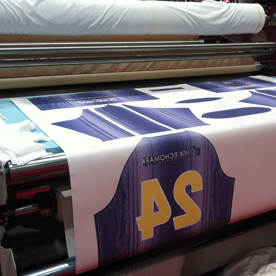
Dye Sublimation Process
Heat transfers are simpler than the sublimation printing procedure. Sublimation ink is applied to the necessary region in this procedure, and then heat is applied. This ink becomes a gas when heated, embeds itself into the cloth, and provides the surface a cleaner, more professional appearance. However, only fabrics or coatings made of 100% polyester can be used for this technique. Although a heat press is also needed for this, heat transfer printing shouldn’t be mistaken with it. Since Alfil Enterprises prints on cut panels before stitching them together for a more premium appearance, it does not provide a guarantee against white markings when using sublimation printing. Additionally, as sports jerseys are frequently made of polyester with moisture-wicking properties and have digital graphics, this procedure is advised for them as well. In order for sublimation to serve its intended purpose, a shirt or other product must often be covered entirely, however Alfil Enterprises offers prints on any surface as long as the polyester is white.